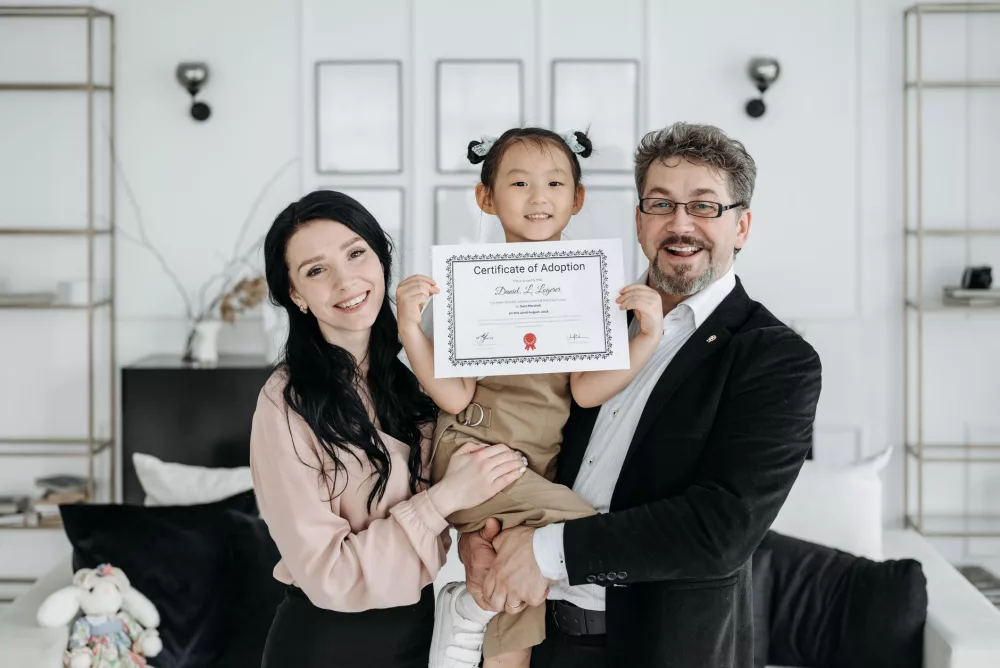
Embarking on the Adoption Journey: Why an Attorney is Absolutely Essential
Adoption, for so many hopeful parents and sometimes for birth parents too, is a journey filled with incredible emotion. It's a path woven with hope, anticipation, and, let's be honest, a fair bit of legal complexity. When we talk about bringing a child into our family through adoption, or making the incredibly difficult decision to place a child, there's just so much to consider. And that's exactly where an adoption attorney comes into the picture. They aren't just filing papers; they're truly guiding you through one of the most significant moments of your life.
You might be thinking, "Can't I just use an agency?" or "Is an attorney really that necessary?" I totally get it. It seems like another expense, another professional to coordinate with. But let me tell you, from my perspective, having an experienced adoption attorney on your side isn't just helpful; it's often absolutely critical for ensuring a smooth, legally sound, and ultimately successful adoption. This isn't just about dots and crosses; it's about establishing forever families and protecting everyone involved.
What Exactly Does an Adoption Attorney Do? It's More Than You Might Think!
So, what does an adoption attorney actually do? Honestly, their role is incredibly multifaceted. They're like a legal quarterback for your adoption team. For starters, they provide unparalleled legal guidance. Adoption laws vary wildly from state to state, and even within states, regulations can be surprisingly intricate. An attorney specializing in adoption knows these laws inside and out. They can explain everything from eligibility requirements to parental rights termination, ensuring you understand every step and its implications.
Think about all the paperwork involved. Seriously, there's a mountain of it! Adoption petitions, consent forms, Interstate Compact on the Placement of Children (ICPC) documents, background checks, financial disclosures… the list just goes on and on. My experience tells me that correctly preparing and filing all these documents is a huge part of an attorney's job. Missing one detail or filling out a form incorrectly can lead to significant delays, added stress, or even jeopardize the adoption. That's a risk no one wants to take, right?
Beyond the paperwork, they're your advocate in court. Adoption proceedings, even uncontested ones, involve court appearances. Your attorney will represent you, presenting your case to the judge and ensuring all legal requirements are met for the adoption to be finalized. If there are any bumps in the road, like a birth parent revoking consent (which happens, unfortunately) or questions about parental rights, your attorney is there to protect your interests and navigate these challenges.
They also often act as a crucial intermediary. In many private adoptions, the attorney helps facilitate communication and negotiations between prospective adoptive parents and birth parents. They ensure that everyone's rights are respected and that any agreements, like open adoption plans, are legally sound and enforceable. This objective, legal approach can really help keep emotions in check during what is inherently an emotional process.
Exploring Different Adoption Paths and the Attorney's Unique Contributions
You know, there are so many different paths to adoption, and each one has its own set of rules and potential hurdles. An adoption attorney's role can shift quite a bit depending on the type of adoption you're pursuing:
- Domestic Infant Adoption: Whether it's through an agency or a private placement, your attorney is instrumental. In private adoptions, they're often responsible for locating birth parents (or working with facilitators), drafting placement agreements, handling birth parent consents, and managing all the legal processes through finalization.
- International Adoption: While agencies often handle the overseas aspects, a U.S. adoption attorney will still be vital for the domestic readoption process, which often happens once the child arrives in the United States. They make sure the foreign adoption is recognized under U.S. law.
- Stepparent and Relative Adoptions: These might seem simpler, but they still require careful legal navigation, especially when it comes to terminating the biological parent's rights. An attorney ensures proper notice is given and all legal procedures are followed to prevent future challenges.
- Foster Care Adoption: Sometimes, even if the state's child welfare agency handles most aspects, families might engage an attorney to ensure their rights are protected and to assist with finalization, especially if there are complexities.
- Adult Adoption: Yes, you can adopt adults! This is usually for inheritance or formalizing a parent-child relationship that already exists. An attorney ensures the legal requirements are met for this unique situation.
The bottom line is that no matter the path, the foundational legal work and advocacy remain paramount.
Navigating the Legal Maze: Why You Need an Expert
I mentioned state-specific laws earlier, but let me stress this again: the legal landscape of adoption is like a constantly shifting puzzle. What's legal and permissible in California might be entirely different in New York or Texas. For example, some states have longer revocation periods for birth parent consent than others, meaning a birth parent has more time to change their mind after placing a child. Understanding these timelines is incredibly important for everyone involved.
Then there's the Interstate Compact on the Placement of Children (ICPC). If an adoptive family lives in one state and the birth mother lives in another, ICPC rules come into play. This compact is designed to ensure the safety and legality of interstate placements, but the paperwork and waiting periods involved can be quite complex. A skilled attorney knows how to navigate ICPC requirements efficiently, minimizing delays for families eager to bring their new child home.
Termination of parental rights is another huge area. This has to be done precisely and legally to ensure the adoption is secure and can't be challenged later. An attorney understands the grounds for termination, the notice requirements, and how to execute this delicate legal process ethically and correctly.
Choosing the Right Adoption Attorney for Your Family
Okay, so you're convinced you need an attorney. Great! But how do you pick the right one? It's a really personal choice, and I think it comes down to a few key things:
- Experience and Specialization: Look for someone who practices adoption law exclusively or has it as a significant part of their practice. They'll have seen it all, or at least most of it, and they'll know the ins and outs.
- Communication Style: This is huge. You need an attorney who communicates clearly, keeps you informed, and is accessible. Adoption is emotional, and you'll have lots of questions. You shouldn't feel like you're in the dark.
- Personal Connection: You're entrusting this person with your family's future. You should feel comfortable with them, trust their judgment, and feel like they genuinely care about your outcome.
- Fees and Transparency: Make sure you understand their fee structure upfront. Adoption can be expensive, and you don't want surprises. A good attorney will be transparent about costs.
Ultimately, when you're embarking on something as life-changing as adoption, having an adoption attorney isn't just a legal necessity; it's a source of peace of mind. They stand by you, guiding you through the legal complexities, protecting your interests, and helping make sure your journey to building or growing your family is as secure and joyful as possible. I really believe that kind of support is priceless.