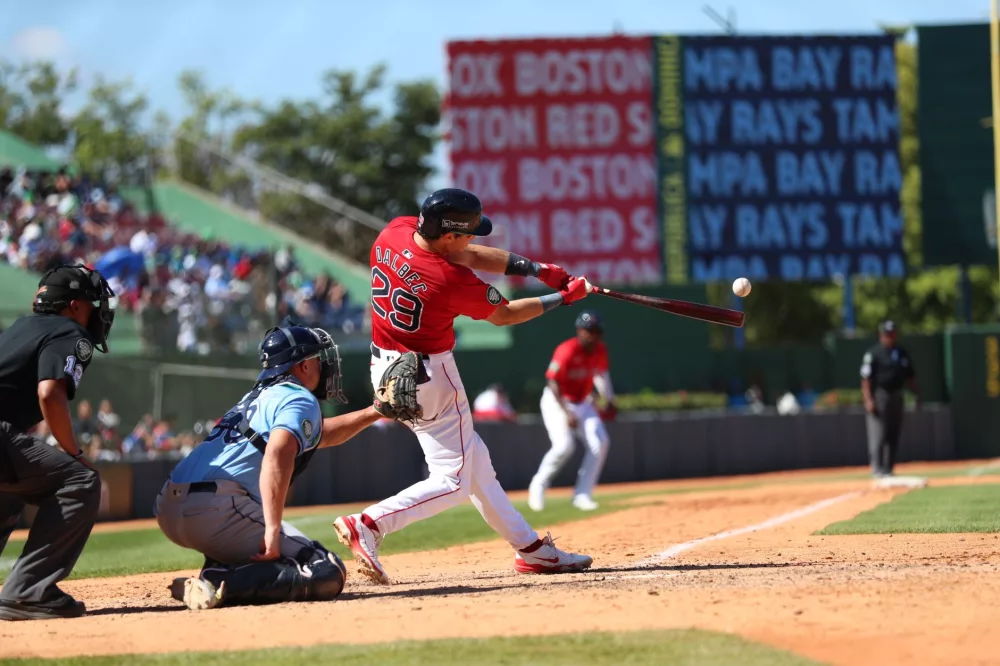
For me, the ballet of baseball trading represents one of the sport's most intricate and captivating dimensions. It’s far more than just swapping players; it’s an intense, high-stakes game of chess played out across a vast landscape of talent, contracts, and future projections. I’ve always been utterly fascinated by how general managers, working often in secret, orchestrate moves that can fundamentally reshape a franchise, sometimes for years to come. The whispers, the leaks, the sudden announcements—it’s all part of a grand narrative that keeps fans like us endlessly engaged.
We’re talking about an ecosystem where immediate needs clash with long-term vision, where cold analytics meet gut feelings, and where every decision carries immense weight. When I think about it, no other sport seems to have quite the same dynamic, the same potential for a single phone call to alter the fortunes of entire cities. It's a testament to the complexity and the human element woven into the fabric of America's pastime.
The Philosophy of Exchange: Why Do Teams Trade?
So, what actually drives these momentous decisions? At its core, trading is about addressing imbalances and leveraging assets. A team might find itself with an abundance of talent at one position, while glaringly lacking in another. This is where the dance begins. My experience tells me that teams generally fall into a few categories:
- The Contender: These clubs are typically looking to acquire that one missing piece—a reliable bullpen arm, a power bat, or a veteran starter—to push them over the top. They're often willing to part with top prospects, understanding their championship window might be narrow.
- The Rebuilder: On the opposite end, rebuilding teams are focused on the future. They’re selling off their veteran stars, especially those with expiring contracts, to stock up on young, controllable talent. It’s a painful but often necessary process, and I’ve seen it pay off beautifully many times.
- The Middling Team: This is arguably the toughest spot. Do they buy or sell? Do they try to compete or retool? Their trades often reflect a slight tilt one way or the other, or sometimes an attempt to do both simultaneously, which can be incredibly difficult to pull off successfully.
It’s really about resource allocation. Teams have limited roster spots, finite salary budgets, and only so many prospects in their farm system. Maximizing those resources is the GM's primary mission, and trading is perhaps their most potent tool.
Anatomy of a Deal: What GMs Consider
When I imagine myself in a GM's shoes, the sheer volume of variables that must be juggled seems daunting. It's not just about a player's batting average or ERA. Oh no, it’s much deeper than that. Here’s a brief look at some critical factors:
- Player Performance & Projection: This is a given, right? But it's not just current stats. Scouts and analysts try to project future performance, considering age, health, and underlying metrics. I’ve seen GMs bet big on 'upside' with mixed results.
- Contract Status: Salary is huge. Is the player cheap and under team control for years? Are they expensive with an expiring contract? A 'rental' player with a big salary can be valuable for a contender, but a burden for a rebuilder. I always pay close attention to the contract details; they tell you so much about a player’s true market value.
- Team Needs & Organizational Depth: Does acquiring Player X mean blocking a promising prospect? Does trading Player Y leave a gaping hole? These are the kinds of questions that keep GMs up at night.
- Prospect Valuation: This is an art, not a science. How do you value a 19-year-old in High-A who might be a superstar in five years against a proven 30-year-old All-Star? It's a constant negotiation of potential versus production. I think this is where the most significant disagreements between teams often lie.
- Luxury Tax Implications: For high-spending clubs, every dollar counts against the luxury tax threshold. A trade might be designed as much to shed salary as it is to acquire talent.
“Every trade is a gamble. You’re betting on human beings, on their ability to perform under pressure, on their health, and on their continued development. We try to mitigate risk, of course, but it’s never a sure thing.” — A hypothetical GM I’ve often pictured in my head.
The Human Element: Beyond the Stats Sheet
We often get caught up in the analytics and the strategy, but I think it’s crucial to remember that these are people we’re talking about. A trade isn't just an asset exchange; it’s a life-altering event for the players involved. I can only imagine the shock of being told you’re moving across the country, away from friends, teammates, and sometimes family, with little to no notice. It changes everything.
This human cost is part of the game, certainly, but it’s something I believe we, as fans and observers, should acknowledge. Sometimes a player thrives in a new environment, but other times, the disruption takes a toll. It’s a powerful reminder that behind every statistic and contractual obligation, there’s a person with dreams and vulnerabilities.
Trade Deadlines and Offseason Dynamics
The rhythm of trading shifts dramatically throughout the baseball calendar. The July 31st (or recent August 1st) trade deadline is pure chaos. It's a sprint, with GMs making last-minute adjustments, desperately trying to finalize deals before the clock expires. The pressure is immense, and I find it exhilarating to follow.
The offseason, however, is a marathon. It’s a more deliberate period, where teams have ample time to scout, negotiate, and plan. Free agency plays a huge role here, often influencing which players become available via trade. I’ve noticed that some of the most impactful trades, the ones that really reset a franchise’s trajectory, often happen during these quieter winter months, away from the deadline frenzy.
Evaluating the Outcome: A Long Game
Here's a truth I’ve learned over many years of watching baseball: you can’t truly evaluate a trade the day it happens. It takes time. Sometimes a lot of time. A prospect might bust, or a veteran might defy expectations. Injuries can derail even the best-laid plans. I’ve seen trades that looked lopsided on day one completely flip in perception five years later.
It’s why patience is such a virtue, both for GMs and for fans. We tend to want instant gratification, but the true brilliance (or folly) of a trade often only reveals itself after seasons have passed, after prospects have either blossomed or faded, and after the competitive windows of the involved teams have either opened wide or slammed shut. It’s a beautiful, agonizing, and perpetually unpredictable aspect of baseball that keeps me coming back for more.