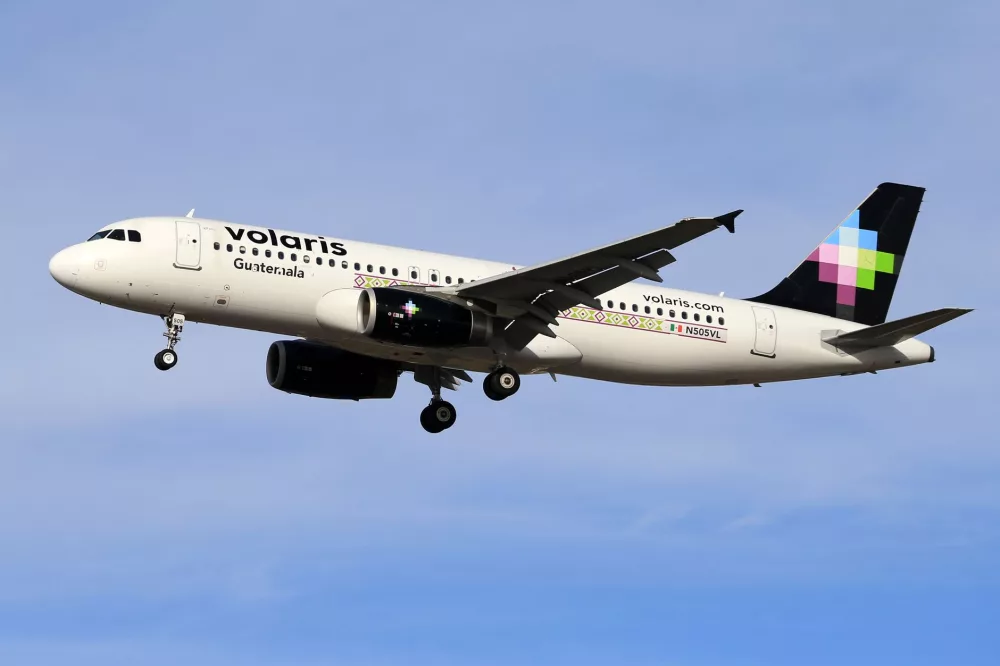
When we talk about the aviation landscape in Latin America, particularly in Mexico, it's impossible not to discuss Volaris. This isn't just another airline; it’s a fascinating case study in the ultra-low-cost carrier (ULCC) model, meticulously adapted for a dynamic, often challenging market. I've spent considerable time observing the industry, and what I find consistently striking about Volaris is its unwavering commitment to its core strategy, even as external pressures shift.
The Genesis of an Aviation Disruptor
Volaris kicked off operations in 2006, a relatively young player when compared to some of the old guard, but it arrived with a clear mission: to democratize air travel in Mexico. Back then, air travel wasn't quite as accessible for everyone, and the market was ripe for disruption. Their founders, with a clear vision, weren't just building an airline; they were building a bridge for millions of Mexicans to connect with family, explore new opportunities, and experience travel that might've once felt out of reach. It's a classic story of identifying an underserved segment and delivering a tailored solution. We've seen this play out in other regions, but Volaris's execution in Mexico has been particularly notable.
Crafting the ULCC Blueprint
At its heart, Volaris operates on the stringent principles of an ultra-low-cost model. This means efficiency isn't just a buzzword; it's the very foundation of their existence. From my perspective, their strategy can be broken down into several key pillars:
- High Aircraft Utilization: They aim to keep their planes in the air as much as possible. Less time on the ground means more revenue flights. It's simple economics, really, but executing it flawlessly requires incredible operational choreography.
- Standardized Fleet: Almost exclusively Airbus A320 family aircraft. This isn't a minor detail; it significantly reduces maintenance costs, simplifies crew training, and improves spare parts inventory management. Think of the logistics involved if they had five different aircraft types—it'd be a nightmare!
- Unbundled Fares: This is where many traditional travelers get tripped up. Volaris advertises very low base fares, which is what initially grabs your attention. However, everything else – checked bags, seat assignments, in-flight refreshments, priority boarding – comes at an additional cost. This approach empowers passengers to pay only for what they need, and it's also a massive driver of their profitability through ancillary revenues. I've seen some impressive figures on how much of their total revenue comes from these add-ons.
- Direct Sales Focus: A heavy emphasis on online sales through their website and app minimizes distribution costs, bypassing travel agencies where possible. It’s all about cutting out the middleman.
- Secondary Airport Utilization (where feasible): While they serve major hubs, they're also open to using less congested, often cheaper, airports when it makes sense for a particular route.
Navigating the Skies: Fleet and Network
As I mentioned, Volaris's fleet is predominantly made up of Airbus A320 family aircraft. They operate a mix of A319s, A320s, and the newer, more fuel-efficient A320neos and A321neos. The NEO family, with its advanced engines, offers significant fuel savings and reduced emissions, which is a smart move both environmentally and economically in a high-fuel-cost environment. Their fleet is relatively young, contributing to reliability and lower maintenance expenses.
Their route network is quite extensive, primarily focused on Mexico, connecting major cities like Mexico City, Guadalajara, and Cancun, but also reaching into numerous smaller domestic markets. Internationally, they have a strong presence in the United States, serving cities with large Mexican diaspora populations such as Los Angeles, Chicago, and Houston. We’re also seeing them expand into Central and South America, identifying new opportunities for growth and connecting communities that might not have had affordable direct flights before. This geographical spread is strategic, leveraging bilateral agreements and tapping into diverse passenger segments: leisure, VFR (Visiting Friends and Relatives), and even some business travel where cost is a primary driver.
The competitive landscape in Mexico is intense, with players like VivaAerobus operating a similar ULCC model, and Aeromexico holding its ground as the legacy carrier. Volaris has consistently managed to carve out and maintain a significant market share by staying true to its low-cost promise. It isn't easy to compete in this space, and their resilience speaks volumes about their operational discipline.
Challenges and Opportunities on the Horizon
Operating an airline, especially a ULCC, isn't without its hurdles. I've seen how susceptible they are to external shocks. Fuel price volatility, for instance, can significantly impact their bottom line, even with hedging strategies. Currency fluctuations, particularly the Mexican Peso against the US Dollar, also pose a challenge, given that many of their costs (like aircraft leases and fuel) are dollar-denominated, while a good chunk of their revenue is in pesos. Regulatory changes and air traffic control limitations in congested airports are also constant concerns.
However, opportunities abound. Mexico's growing middle class and increasing propensity to travel present a natural growth market. The demand for affordable air travel continues to expand. Furthermore, strategic alliances and codeshare agreements could broaden their reach without the massive capital expenditure of expanding their own fleet extensively. Digital transformation remains a significant area for innovation, from enhancing the booking experience to streamlining airport processes through technology. I also believe there’s an increasing focus on sustainability within the aviation industry, and how Volaris positions itself in this regard will be key for its long-term image and operational efficiency, especially with their newer, more efficient aircraft.
In essence, Volaris isn’t just an airline that gets people from point A to point B cheaply. It's a meticulously managed operation that understands its market, leverages technology, and constantly optimizes its cost structure to deliver on its promise. It’s a dynamic entity in a challenging industry, and watching its trajectory offers some compelling insights into the future of accessible air travel in the region. The dedication to its model, combined with an adaptability to external factors, has cemented its place as a formidable force in Mexican aviation, and I don't see that changing anytime soon.